
Where is your anger in all this?
A client who is intellectualizing might say something like, “well, I’m not an angry person.” Or, “I was also like a really bad kid, so I kind of feel like I did deserve to be blamed for what happened.”
Really, what the client is saying is that, “any single time that I tried to protect myself when I was little, I was blamed for it. Anytime I tried to protect myself, I was actually pushed away, or blamed for everything that was happening.”
So, the way that they actually protected themselves, and these situations, was by DISCONNECTING FROM THE EMOTION that allows them to set a boundary.
Now, over time, as the Human-Therapist continually reflects all these different emotions that are coming up FOR THE HUMAN-THERAPIST, (EXACTLY WHAT AI CHATBOT ALGORITHMS CAN’T DO). Even while the client is disavowed and disconnected from their own feelings, the client starts to see the HUMAN-THERAPIST’S REACTION, and understand that the things that they’ve actually done to protect themselves had actually opened them up for more danger.
This modeling from a genuine HUMAN-THERAPIST starts the process of clients connecting more, and admitting to what they’re experiencing emotionally, because they start to realize, like I am actually angry at what’s happening. And it is something that I actually want to start connecting to.
From Christopher Brown, LCSW @earnedwellness on TikTok
🤖 ChatBots vs Human-Therapist ♥️
If you’re considering Therapy, look for The Number One Ingredient: THE THERAPEUTIC RELATIONSHIP, that only a Human-Therapist can provide.
Follow @humantherapistorg for more therapist videos on the Definition of Therapy & The Therapeutic Relationship.
More Therapeutic Relationship videosMore videos
 Therapeutic Relationship
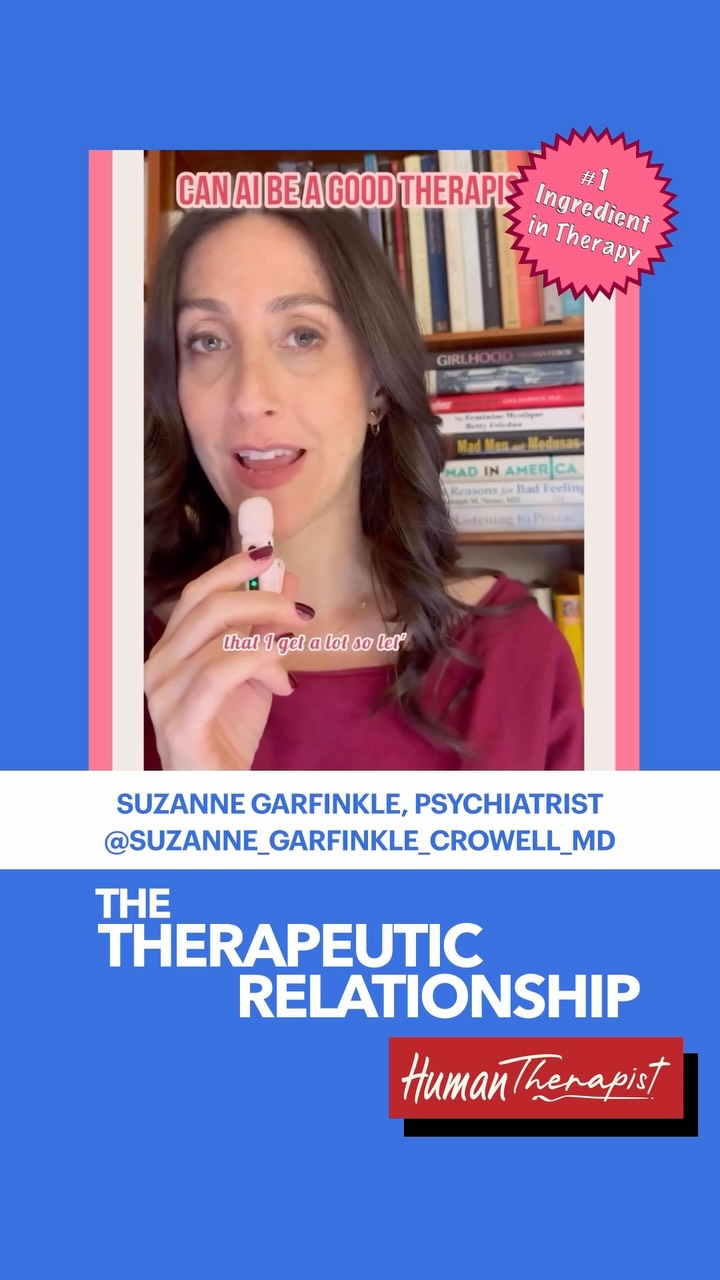
Can AI be a good Therapist?
 Therapeutic Relationship
Therapy with a Human-Therapist gives people the chance to practice a new way of relating with other people, but with AI, you lose all of
 Therapeutic Relationship
What makes Therapy, Therapy is the relationship between the client and the Human-Therapist
 Therapeutic Relationship
One thing that a Human-Therapist will always notice is how often and when you are laughing in session
 Therapeutic Relationship
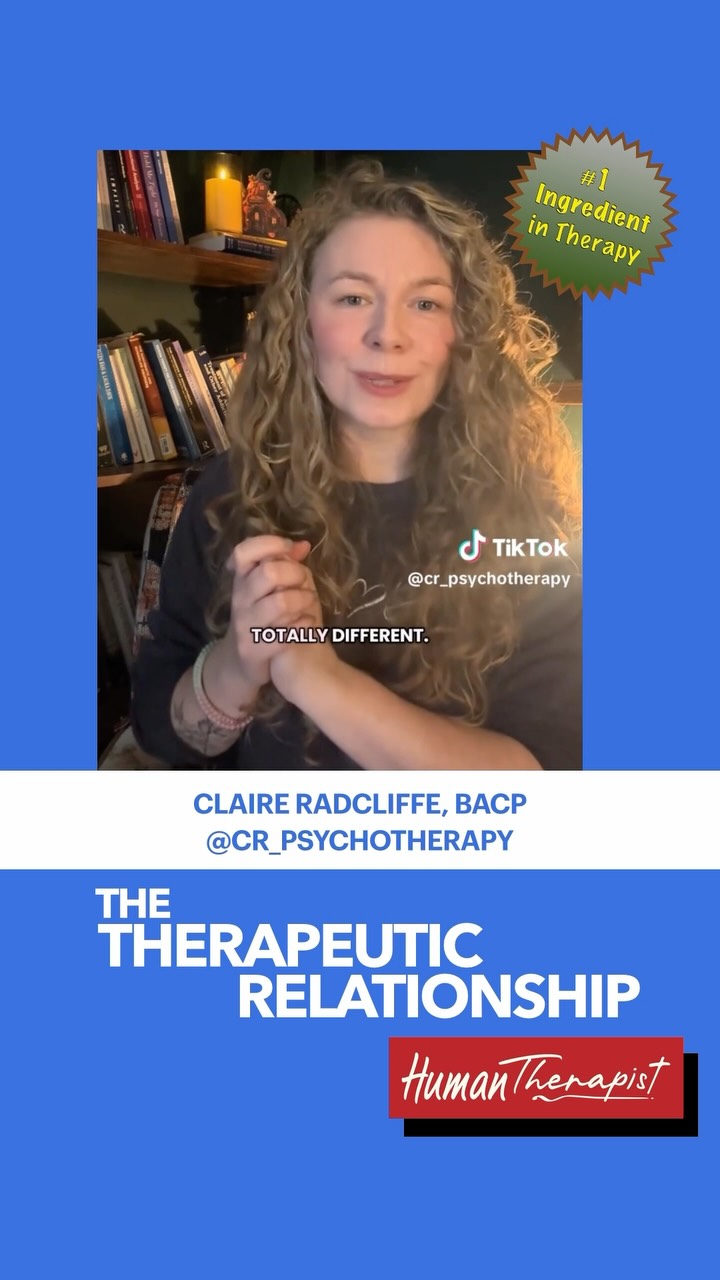
The way in which a client might want to be viewed by a Human-Therapist; is there a way in which the client wanted them to think about them
 Therapeutic Relationship
I remember before I became a therapist, I always wondered if my therapist thought of me outside of session, or like, cared, like truly
 Therapeutic Relationship
A therapist will notice you laughing in session, and understand why
 Therapeutic Relationship
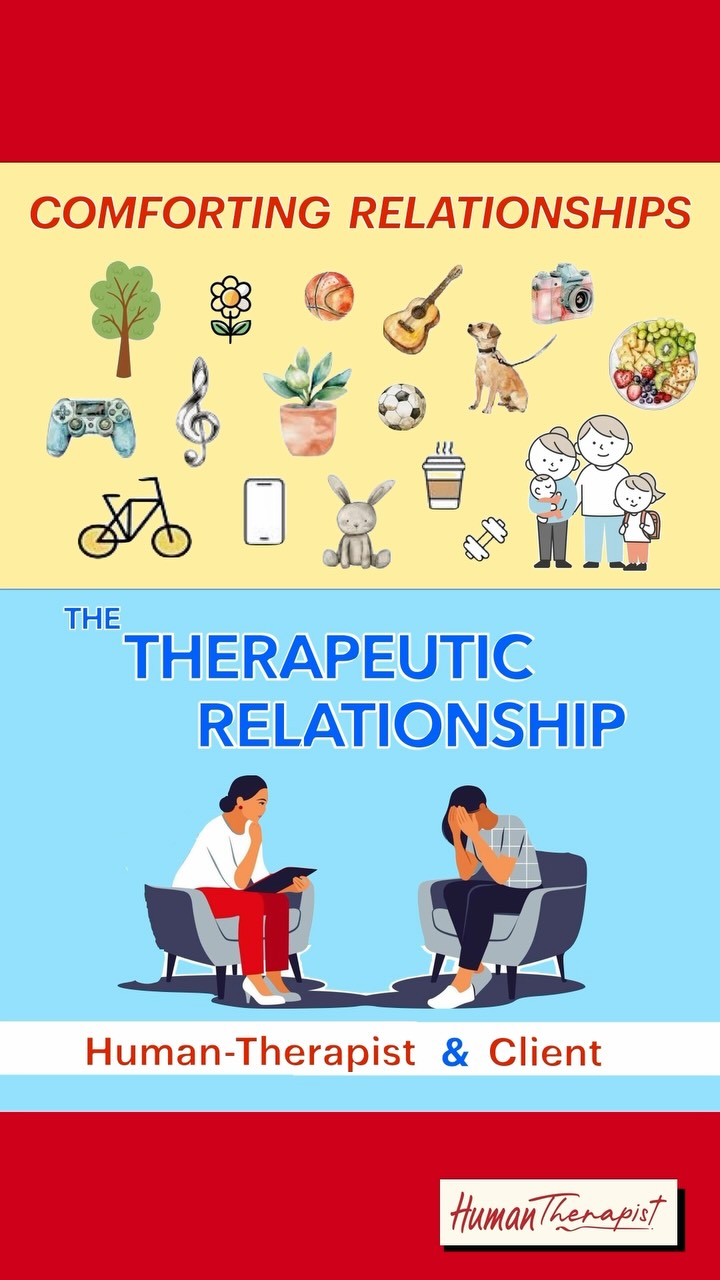
Therapeutic comes from the word, Therapy